
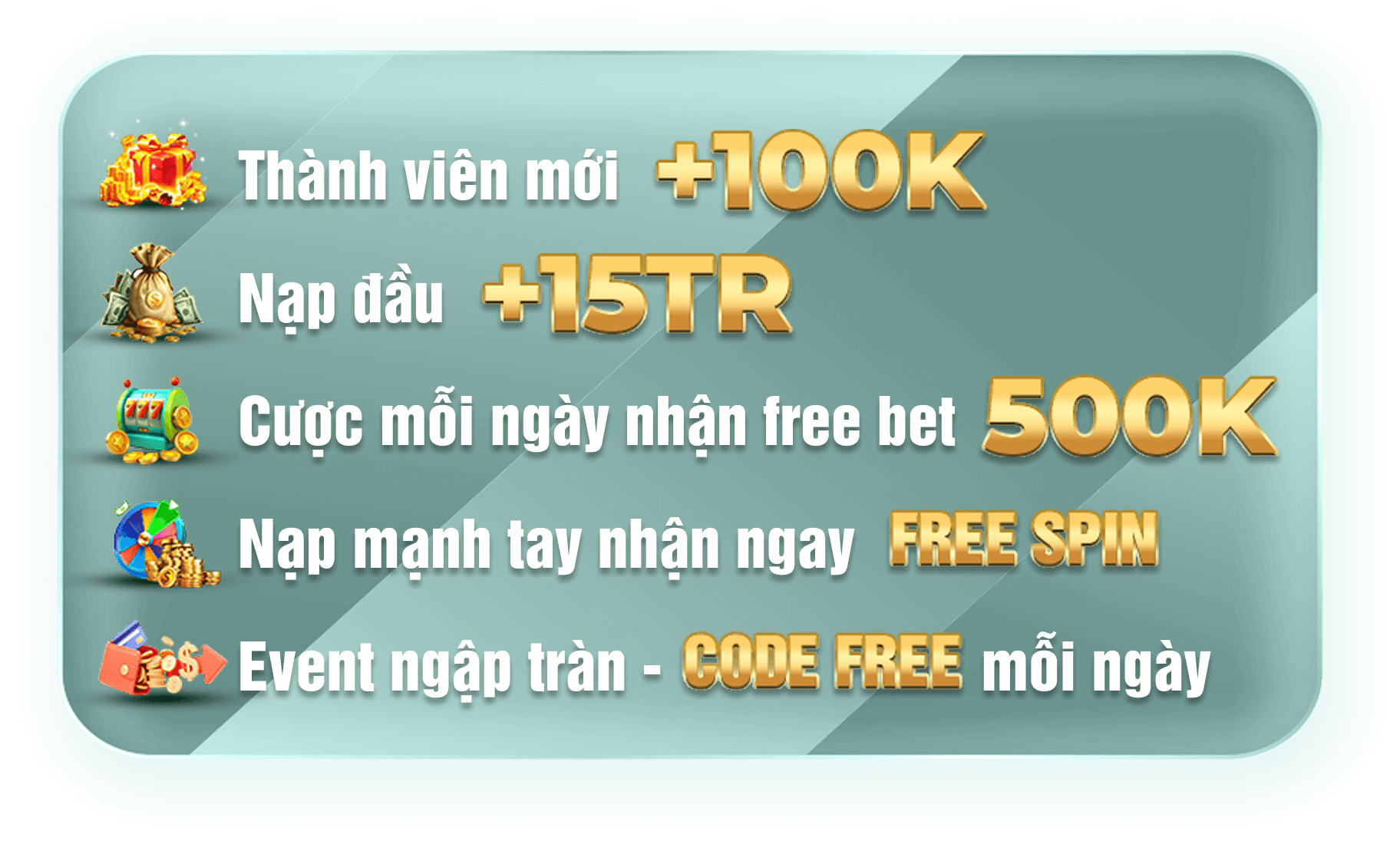









Khuyến mãi B52 là điểm thu hút mạnh mẽ đối với cộng đồng người chơi cá cược trực tuyến. Chính những khuyến mãi giá trị này đã góp phần khẳng định độ tin cậy của nhà cái, đồng thời mở ra nhiều cơ hội gia tăng lợi nhuận cho người tham gia. Trong bài viết dưới đây, hãy cùng trang GMNC khám phá những ưu đãi nổi bật đang được B52 triển khai.
Nội dung bài viết
Vì sao khuyến mãi B52 luôn thu hút người chơi?
Trước khi đi sâu vào từng chương trình ưu đãi cụ thể, hãy nhìn rộng hơn về vai trò của khuyến mãi trong thế giới giải trí trực tuyến. Khi thị trường có quá nhiều lựa chọn, những ưu đãi khác biệt chính là “chìa khóa” giúp nhà cái tạo dấu ấn và giữ chân người tham gia.
- Tạo đà cho người mới: Với những ai lần đầu trải nghiệm, tâm lý e ngại rủi ro là điều khó tránh. Các gói thưởng nạp đầu hoặc tiền chơi thử giúp họ dễ bắt nhịp và tự tin hơn khi bắt đầu.
- Xây dựng sự gắn bó: Khuyến mãi B52 không chỉ dành cho tân thủ mà còn hướng tới người chơi lâu năm thông qua hoàn trả định kỳ, chương trình tri ân hay hệ thống thành viên VIP.
- Mở rộng cơ hội sinh lời: Khoản thưởng cộng thêm giúp người chơi có thêm vốn xoay vòng, thử nhiều chiến lược hơn và gia tăng khả năng đạt kết quả tốt.
- Củng cố niềm tin: Chính sách ưu đãi rõ ràng, minh bạch thể hiện sự quan tâm của thương hiệu, từ đó tạo cảm giác công bằng và đáng tin cậy.

Tổng quan các chương trình khuyến mãi B52
Ngay từ lần truy cập đầu tiên, người chơi có thể cảm nhận rõ sự phong phú trong hệ thống khuyến mãi. Cách sắp xếp chương trình cũng rất khoa học, giúp người choiiw mới nhanh chóng làm quen, đồng thời vẫn đủ hấp dẫn và thử thách đối với những người chơi dày dạn kinh nghiệm.
Khuyến mãi B52 chào mừng
Gói thưởng dành cho tân thủ luôn là điểm nhấn quen thuộc tại các sân chơi cá cược, và nền tảng cũng không ngoại lệ. Ngay khi hoàn tất lần nạp đầu tiên, người chơi sẽ được nhận thêm khoản thưởng tương ứng theo tỷ lệ phần trăm giá trị nạp.
- Mức thưởng đáng chú ý: Tỷ lệ ưu đãi có thể tăng đến 100%, giúp người chơi sở hữu nguồn vốn khởi đầu hấp dẫn.
- Áp dụng linh hoạt: Dù yêu thích cá cược thể thao, casino hay các trò chơi bài, bạn đều dễ dàng chọn được gói thưởng phù hợp.
- Yêu cầu hợp lý: Điều kiện cược được thiết kế ở mức vừa sức, tạo điều kiện để người chơi hoàn thành và rút thưởng thuận lợi.
Ưu đãi nạp lại định kỳ tại B52
Không chỉ dừng lại ở gói chào mừng ban đầu, khuyến mãi B52 còn liên tục triển khai các chương trình thưởng dành cho những lần nạp tiếp theo. Nhờ đó, người chơi luôn có thêm cơ hội gia tăng vốn mỗi khi quay lại trải nghiệm.
- Mức thưởng linh hoạt: Tỷ lệ ưu đãi thường nằm trong khoảng 20–50% cho từng lượt nạp.
- Thời gian đa dạng: Các gói thưởng được áp dụng theo ngày, cuối tuần hoặc trong những dịp đặc biệt, giúp người chơi dễ sắp xếp tham gia.
- Phù hợp mọi đối tượng: Dù chơi giải trí với số vốn nhỏ hay tham gia ở mức cược cao, bạn vẫn có thể tận dụng khuyến mãi hiệu quả.
Chính sách hoàn trả
Hoàn trả khuyến mãi B52 luôn là quyền lợi được nhiều người chơi đánh giá cao, và tại B52, ưu đãi này được triển khai theo hướng tối ưu lợi ích cho người tham gia.
- Hoàn tiền cược thể thao: Tính dựa trên tổng mức đặt cược, bất kể kết quả thắng hay thua.
- Hoàn trả casino, bắn cá: Áp dụng trực tiếp theo từng bàn hoặc phòng chơi cụ thể.
- Tỷ lệ ổn định, minh bạch: Mức hoàn trả được duy trì đều đặn, không giới hạn số tiền, giúp người chơi yên tâm hơn trong quá trình trải nghiệm.
Ưu đãi mùa giải
Mỗi khi các giải đấu đình đám diễn ra như World Cup, Euro hay Ngoại hạng Anh, nền tảng đều triển khai loạt khuyến mãi B52 riêng nhằm khuấy động không khí cá cược.
- Thưởng cho dự đoán chính xác: Người chơi chỉ cần đưa ra nhận định đúng là đã có cơ hội nhận quà, không đòi hỏi mức vốn cao.
- Vé cược miễn phí hấp dẫn: Các chương trình free bet luôn được cộng đồng đam mê bóng đá đón nhận nhiệt tình.
- Minigame giải trí: Bên cạnh việc đặt cược thông thường, nền tảng còn bổ sung các trò chơi nhỏ để tăng thêm sự thú vị và trải nghiệm mới mẻ.
Bí quyết khai thác khuyến mãi B52 một cách thông minh
Không phải người chơi nào cũng tận dụng được tối đa giá trị từ các ưu đãi tại nền tảng. Để tránh bỏ lỡ quyền lợi và sử dụng khuyến mãi hiệu quả hơn, bạn có thể tham khảo một vài kinh nghiệm sau:
- Nắm rõ điều khoản: Trước khi nhận thưởng, hãy kiểm tra kỹ yêu cầu về vòng cược và thời hạn áp dụng để chủ động hơn khi chơi.
- Lựa chọn đúng gói ưu đãi: Mỗi người có sở thích khác nhau, vì vậy hãy ưu tiên khuyến mãi B52 đúng với mảng bạn thường tham gia, như cá cược thể thao hoặc casino.
- Kiểm soát ngân sách: Đừng để các chương trình thưởng khiến bạn chi tiêu vượt quá khả năng tài chính của bản thân.

Kết luận
Các chương trình khuyến mãi B52 được GMNC nhận định không đơn thuần chỉ giúp cuộc chơi thêm phần thú vị, mà còn phản ánh rõ mức độ đầu tư, chuyên nghiệp và đáng tin cậy của nhà cái. Nhờ hệ thống khuyến mãi đa dạng, rõ ràng và hướng đến lợi ích thực tế, người chơi có thể yên tâm trải nghiệm và gia tăng cơ hội sinh lời.